
Step into the world of Home Health Care Technology, where innovation meets compassion to transform the way patients receive care. From cutting-edge technologies to improved communication, get ready to explore a new era in healthcare.
As we delve deeper, you’ll discover the crucial role technology plays in revolutionizing patient care and improving health outcomes.
Overview of Home Health Care Technology
Home health care technology plays a crucial role in improving patient care and outcomes by providing advanced tools and solutions for monitoring, managing, and treating various health conditions in the comfort of patients’ homes.
Role of Technology in Home Health Care
Technology in home health care enables remote monitoring of patients, facilitates communication between patients and healthcare providers, and enhances the overall efficiency of healthcare delivery.
Key Technologies Used in Home Health Care
- Telehealth platforms for virtual consultations and remote monitoring.
- Wearable devices for tracking vital signs and health parameters.
- Mhealth apps for medication reminders and health tracking.
- Smart home devices for creating a safe and comfortable living environment for patients.
Impact of Technology on Patient Care and Outcomes
- Improved access to healthcare services for patients in remote or underserved areas.
- Enhanced patient engagement and self-management through digital tools and resources.
- Reduced hospital readmissions and healthcare costs through proactive monitoring and early intervention.
Benefits of Home Health Care Technology
Technology has revolutionized the way home health care is delivered, offering numerous advantages for both healthcare providers and patients. From improving efficiency to enhancing communication, the benefits of utilizing technology in home health care are vast.
Improved Efficiency
- Automation of administrative tasks such as scheduling appointments and billing processes streamlines operations and reduces paperwork.
- Access to electronic health records allows healthcare providers to quickly retrieve patient information, leading to faster and more accurate diagnoses and treatments.
- Remote monitoring devices enable real-time tracking of patients’ vital signs, medication adherence, and overall health status, facilitating proactive interventions and preventing hospital readmissions.
Enhanced Communication
- Telehealth platforms enable virtual consultations between healthcare providers and patients, eliminating the need for in-person visits and improving access to care, especially for individuals with mobility issues or living in remote areas.
- Secure messaging systems allow for easy and timely communication between patients and their care team, fostering better engagement and adherence to treatment plans.
- Mobile health apps provide patients with tools to monitor their health, track progress, and receive educational resources, empowering them to take an active role in managing their well-being.
Challenges in Implementing Home Health Care Technology
Implementing home health care technology comes with its own set of challenges that need to be addressed for successful integration. From barriers to adoption to security concerns, there are several factors that can impact the effectiveness of technology in home health care.
Barriers to Adopting Technology in Home Health Care
- Lack of technological infrastructure in home settings
- Resistance to change among healthcare professionals and patients
- Cost of implementing and maintaining technology solutions
- Complexity of technology systems and devices
Importance of Training for Healthcare Professionals
- Training is crucial for healthcare professionals to effectively use technology
- Proper training ensures accurate data collection and interpretation
- Continuous education on new technologies helps in maximizing their benefits
Security and Privacy Concerns
- Protecting patient data from breaches and cyber attacks
- Ensuring compliance with privacy regulations such as HIPAA
- Securing communication channels for telehealth and remote monitoring
Future Trends in Home Health Care Technology
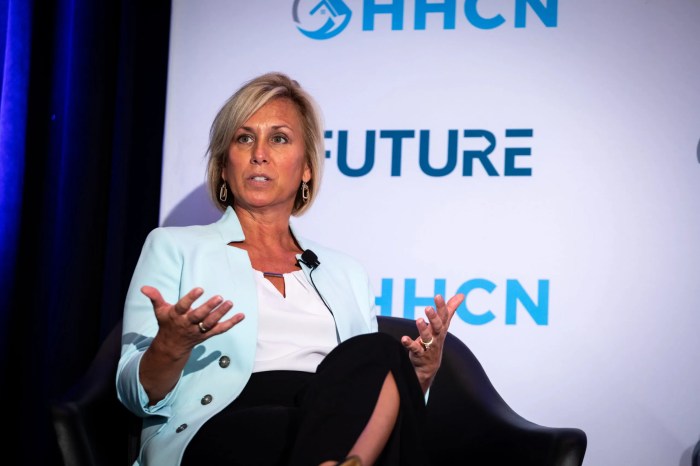
As technology continues to advance at a rapid pace, the future of home health care looks promising with the integration of innovative solutions. Artificial intelligence, machine learning, wearable devices, and remote monitoring are set to revolutionize the way healthcare is delivered in the home setting.
Artificial Intelligence and Machine Learning
Artificial intelligence (AI) and machine learning have the potential to significantly impact home health care by enabling predictive analytics, personalized treatment plans, and early detection of health issues. These technologies can analyze vast amounts of data to provide insights that can improve patient outcomes and streamline healthcare delivery.
Wearable Devices and Remote Monitoring
The use of wearable devices and remote monitoring in home health care is expected to increase in the future. Wearable technology such as smartwatches and fitness trackers can track vital signs, activity levels, and medication adherence, providing valuable data for healthcare providers. Remote monitoring allows for real-time monitoring of patients’ health status, enabling timely interventions and reducing the need for frequent hospital visits.
Health Nutrition in Home Health Care
Nutrition plays a crucial role in home health care as it directly impacts the overall well-being and recovery of patients. A well-balanced diet can help manage chronic conditions, aid in the healing process, and improve the immune system, among other benefits.
Significance of Nutrition in Home Health Care
Nutrition is essential for patients receiving home health care as it helps in maintaining strength, energy levels, and overall health. It can also prevent malnutrition and support the body’s ability to heal and recover from illnesses or injuries.
- Provide a variety of fresh fruits and vegetables to ensure patients receive essential vitamins and minerals.
- Incorporate lean proteins such as chicken, fish, beans, and nuts to support muscle health and recovery.
- Include whole grains like brown rice, quinoa, and whole wheat bread to provide fiber and sustained energy.
- Avoid processed foods high in sugar, salt, and unhealthy fats to promote overall health and well-being.
Role of Healthcare Providers in Promoting Healthy Eating Habits
Healthcare providers play a vital role in educating patients about the importance of nutrition and encouraging them to make healthy food choices. They can provide personalized meal plans, offer nutritional counseling, and monitor dietary intake to ensure patients are meeting their nutritional needs.
It is essential for healthcare providers to work closely with patients to develop a nutrition plan that meets their individual needs and preferences.
Ending Remarks
In conclusion, Home Health Care Technology stands at the forefront of healthcare evolution, promising a future where advanced technologies enhance patient well-being and streamline care delivery. Embrace the possibilities that lie ahead in this exciting journey of innovation and compassion.
FAQ Corner
What are the key technologies used in home health care?
The key technologies used in home health care include telemedicine platforms, remote monitoring devices, and electronic health records (EHR) systems.
What are the advantages of using technology in home health care?
Technology in home health care improves efficiency, enhances communication between providers and patients, and allows for better monitoring of patient health remotely.
What are common barriers to adopting technology in home health care?
Common barriers include cost, lack of training for healthcare professionals, and concerns about data security and patient privacy.
How will artificial intelligence impact home health care in the future?
Artificial intelligence is expected to revolutionize home health care by enabling predictive analytics, personalized treatment plans, and improved patient monitoring through AI-powered devices.


